Everything About Aluminum Foundry: Secret Makes Use Of and Its Influence On Item Development
Aluminum foundries are important in modern production, specifically in markets such as automotive and aerospace. They make use of sophisticated techniques to produce lightweight, durable parts that improve efficiency. The adaptability of aluminum also aligns with sustainability efforts, making it a recommended product. However, the ongoing developments in casting methods and their ramifications for item growth raise essential concerns. What future advancements might reshape the landscape of aluminum foundries and their applications?
Summary of Aluminum Foundries
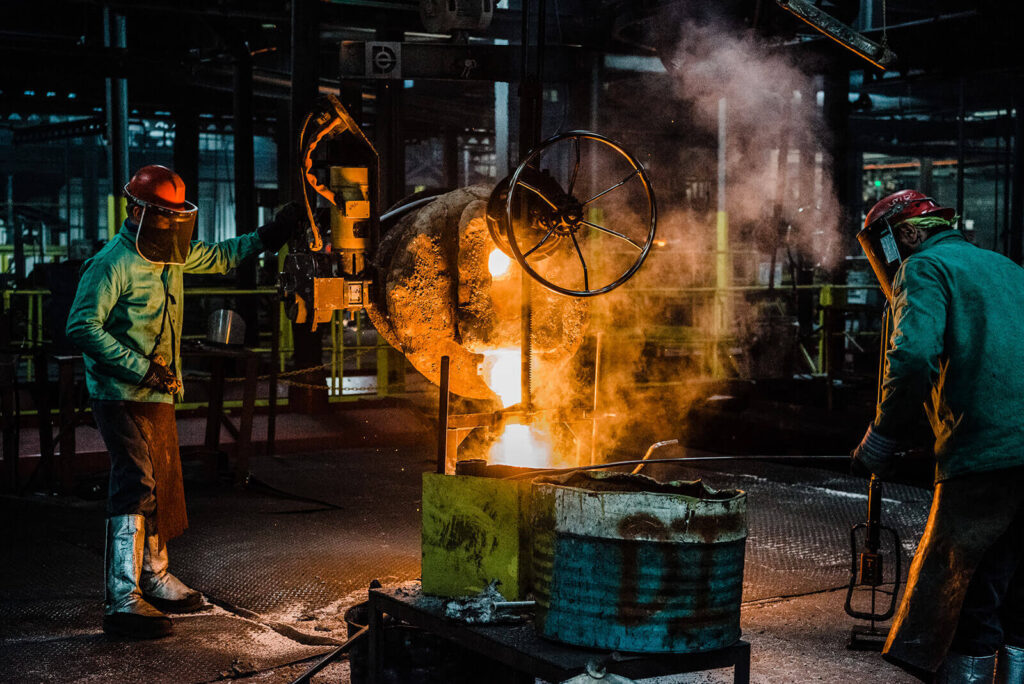
Aluminum foundries work as crucial facilities in the metalworking industry, focusing on the casting of aluminum and its alloys. These facilities use different techniques, including sand casting, pass away casting, and financial investment casting, to change raw aluminum right into usable forms. Each casting technique provides special benefits, dealing with various project requirements ranging from small components to huge architectural components.
The foundries run with a precise process that begins with melting aluminum, followed by putting the liquified metal into mold and mildews. After cooling down, the castings go through completing processes, which might include machining and surface treatment to fulfill exact specs.
Quality control is critical, guaranteeing that the final items satisfy industry criteria and client expectations. Furthermore, aluminum foundries often stress sustainability by reusing scrap aluminum, consequently decreasing waste and preserving resources. This commitment to reliable production and environmental responsibility settings aluminum foundries as vital factors to the manufacturing landscape.
Key Applications of Aluminum Castings
Aluminum castings offer crucial functions in different markets, especially in automotive and aerospace markets. In the automotive industry, they add to light-weight frameworks and reliable efficiency. Aerospace part production counts on aluminum castings for their toughness and deterioration resistance, essential for high-performance applications.
Automotive Industry Applications
In the automotive industry, aluminum castings play a crucial function in boosting vehicle efficiency and performance. These castings are widely used for elements such as engine blocks, transmission housings, and suspension parts. Their lightweight nature adds to reduced lorry weight, which consequently enhances fuel economy and handling. In addition, aluminum's exceptional thermal conductivity permits effective heat dissipation, essential for high-performance engines. The deterioration resistance of aluminum likewise extends the life-span of vehicle elements, reducing upkeep expenses. Innovations in casting innovations make it possible for the production of complicated shapes, maximizing the design and performance of components. On the whole, aluminum castings are important to modern-day automotive design, supporting innovation and sustainability in car design.
Aerospace Element Production
The aerospace sector increasingly relies upon aluminum castings for a variety of important elements due to their beneficial residential or commercial properties. Light-weight yet solid, aluminum castings boost fuel effectiveness and total performance in airplane layout. Elements such as engine places, architectural frameworks, and landing equipment are typically generated utilizing aluminum casting strategies, enabling suppliers to accomplish intricate geometries while maintaining architectural integrity. The high resistance to rust and thermal properties of aluminum likewise add to the durability and integrity of aerospace parts. In addition, improvements in casting innovations, such as precision casting and 3D printing, have increased the capacities of aluminum in this industry. Inevitably, aluminum castings play a crucial function in meeting rigid safety and security standards and performance requirements in modern aerospace applications.
Benefits of Making Use Of Aluminum in Manufacturing
While numerous products are available for manufacturing, aluminum sticks out because of its one-of-a-kind combination of properties that enhance effectiveness and performance. One significant benefit of aluminum is its lightweight nature, which adds to decreased energy consumption and enhanced fuel performance in different applications. Additionally, aluminum shows exceptional rust resistance, expanding the life expectancy of products and lowering upkeep costs. Its high thermal and electric conductivity makes it appropriate for warmth exchangers and electric parts, while its pliability allows for flexible styles and intricate shapes.
Moreover, aluminum is recyclable, advertising sustainability in making processes. This reusability not only preserves sources but additionally lowers the carbon footprint linked with manufacturing. The versatility of aluminum to numerous alloys further boosts its utility in diverse sectors, from auto to customer electronic devices. Collectively, these features make aluminum a suitable choice for makers looking for to balance efficiency, cost-effectiveness, and environmental responsibility.
Developments in Casting Methods
Current advancements in casting techniques have greatly changed the aluminum factory industry. The assimilation of 3D printing technology has made it possible for much more complicated layouts, while improved alloy formulas improve efficiency and durability. These innovations are driving effectiveness and expanding the applications of aluminum in numerous industries.
3D Printing Integration
Enhanced Alloy Solutions
Improvements in aluminum factory technology have actually led to the growth of boosted alloy formulations that improve casting performance and material properties. These ingenious formulas typically include components such as silicon, magnesium, and copper, which optimize strength, ductility, and rust resistance. By fine-tuning the structures, producers can accomplish details attributes tailored to varied applications, from automobile to aerospace sectors. Furthermore, these enhanced alloys assist in better fluidity during the casting process, reducing problems and improving surface finish. As a result, the performance of production is considerably enhanced her explanation while keeping rigorous quality criteria. This evolution in alloy advancement not just enhances manufacturing yet also sustains the creation of lighter, more powerful elements, eventually advancing item development and efficiency.
Influence on Aerospace and Automotive Industries
The notable effect of aluminum foundries on the aerospace and automobile markets can not be overemphasized. Aluminum alloys, recognized for their light-weight and high toughness, have transformed the layout and production processes in both markets. In aerospace, the decrease in weight directly correlates to sustain efficiency, enabling longer flights and reduced discharges. Components such as airplane structures, wings, and engine components take advantage of aluminum's excellent tiredness resistance and corrosion resistance.
In the vehicle market, aluminum foundries add to the production of lighter automobiles, boosting efficiency and gas economic climate while satisfying rigid ecological guidelines. Making use of aluminum in engine blocks, body panels, and wheels has boosted considerably, driven by customer demand for much more effective cars. In addition, technologies in casting techniques have improved the accuracy and functionality of components, making it possible for manufacturers to create more integrated and intricate styles, thus fostering advancements in both sectors.
Sustainability Practices in Aluminum Foundries
Aluminum foundries are increasingly embracing sustainability techniques to lower their environmental footprint while meeting the growing demands of the aerospace and automotive sectors. These techniques consist of the application of energy-efficient innovations, such as electric melting furnaces and advanced heat recuperation systems, which significantly reduced energy intake (Aluminum Foundry). In enhancement, numerous foundries are focusing on making use of recycled aluminum, which calls for much less energy and causes minimized greenhouse gas discharges compared to key aluminum production
Water preservation efforts are also obtaining traction, with foundries using closed-loop systems to reduce water usage and stop contamination. Additionally, waste administration methods, consisting of reusing scrap and minimizing contaminated materials, add to an extra lasting operation. view it now By adopting these techniques, aluminum foundries not only improve their competitiveness but likewise line up with worldwide sustainability goals, eventually sustaining a circular economy and promoting technology in eco-friendly production processes.
Future Trends in Aluminum Spreading Modern Technology
As the demand for lightweight and sturdy materials remains to rise, developments in casting innovation are poised to improve the aluminum industry. Advanced methods such as 3D printing and automated casting procedures are getting traction, allowing for a lot more complex geometries and minimized product waste. The integration of fabricated knowledge and equipment knowing is also enhancing quality assurance and procedure optimization, minimizing problems and enhancing performance.
Furthermore, the advancement of brand-new aluminum alloys is increasing the application series of actors products, making them appropriate for markets from automotive to aerospace. Boosted recycling techniques are expected to even more lower ecological impacts, lining up with global sustainability objectives.
Furthermore, the use of wise sensing units in casting procedures is prepared for to allow real-time tracking, making sure better precision and consistency. These trends symbolize a transformative era in aluminum casting technology, making it possible for manufacturers to fulfill advancing market needs while focusing on sustainability and advancement.
Regularly Asked Inquiries
Exactly How Is Aluminum Recycled After Use in Products?
Aluminum reusing includes collecting, sorting, and melting utilized aluminum products (Aluminum Foundry). The molten steel is after that cast into brand-new types, lowering energy usage and protecting natural deposits, making it an efficient and lasting process for aluminum healing
What Precaution Are Executed in Aluminum Foundries?
Precaution in aluminum foundries include correct air flow systems, individual protective tools, routine safety training, devices maintenance protocols, and emergency feedback strategies, all targeted at lessening risks connected with heats and dangerous products during production.
How Do Aluminum Foundries Ensure Quality Assurance?
Aluminum foundries implement extensive quality control processes, including product assessments, temperature tracking, and dimensional checks. These procedures ensure item uniformity, lower defects, and stick to sector criteria, inevitably improving client complete satisfaction and operational effectiveness.
What Are Usual Challenges Encountered by Aluminum Foundries?
Aluminum foundries frequently face difficulties such as preserving consistent quality, handling manufacturing costs, ensuring timely shipment, attending to equipment upkeep, and adjusting to advancing industry guidelines. These variables can greatly influence overall functional effectiveness and earnings.
Exactly How Does Aluminum Casting Affect Product Weight?
Aluminum casting substantially decreases product weight as a result of aluminum's reduced density contrasted to various other metals - Aluminum Foundry. This light-weight particular improves design versatility, boosts fuel effectiveness in transport applications, and provides benefits in various markets calling for weight-sensitive parts